

Spend a few minutes scrolling through LinkedIn, and you’ll probably notice a change.
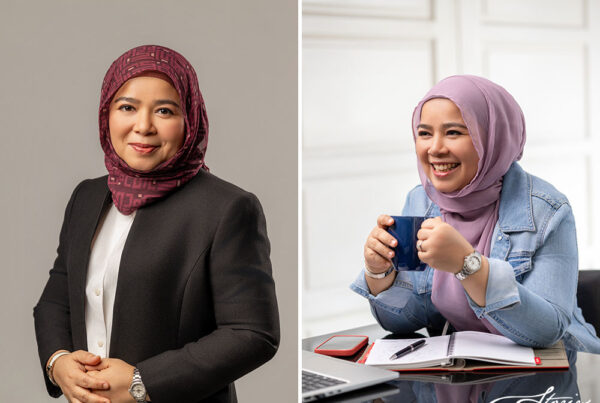
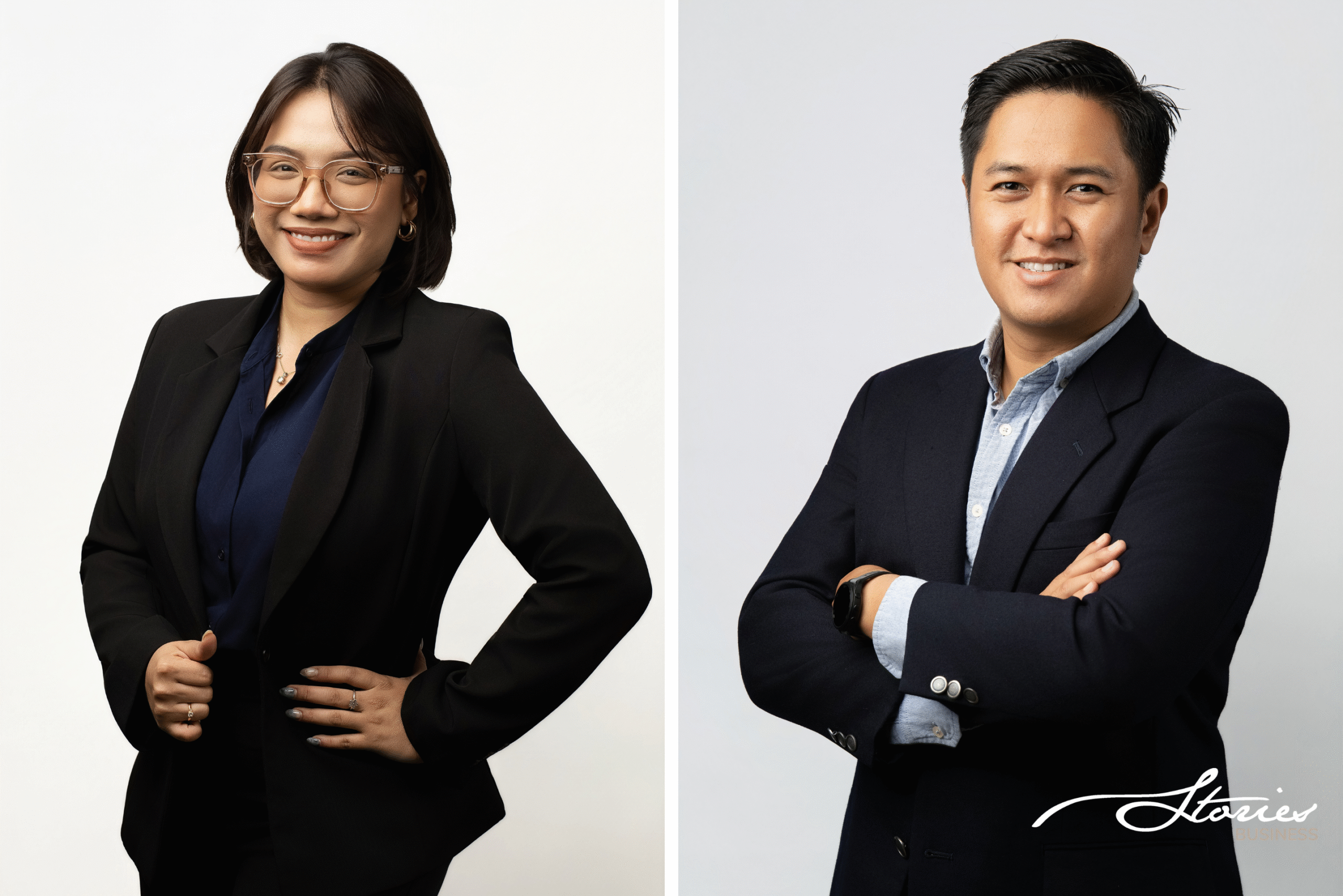
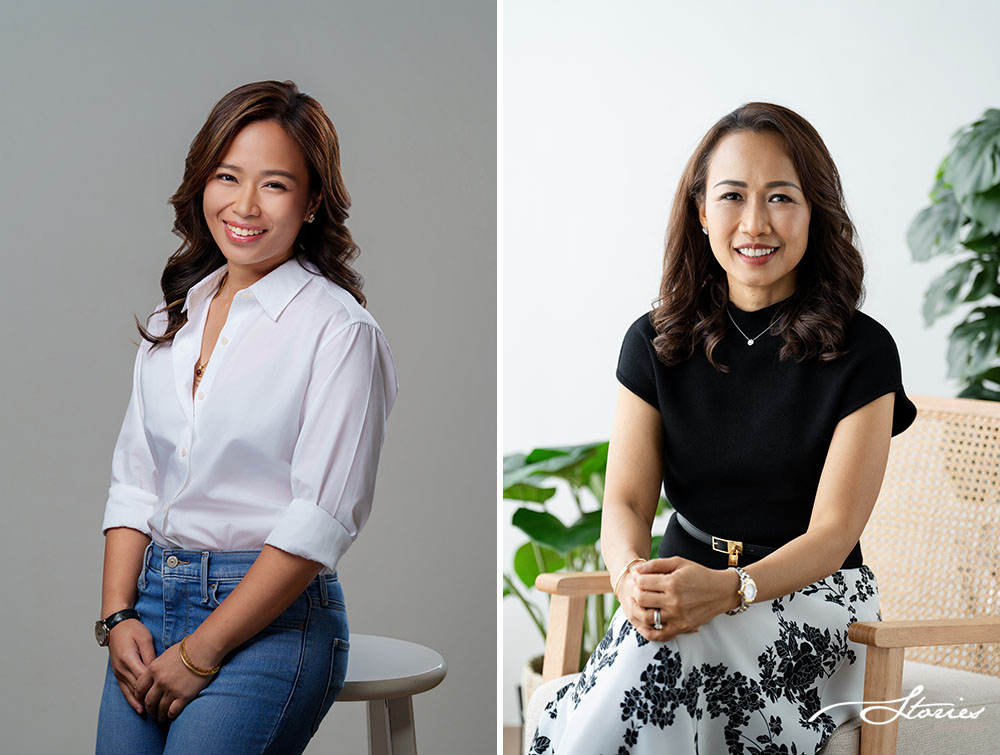
Professional pictures no longer look like what they used to — people standing stiffly in suits and ties, not a smile to be seen. Instead, they now often look more relaxed.
Sometimes they’re photographed in a modern office, leaning casually against a desk with a cup of coffee in their hand, smiling naturally at the camera.
It almost feels authentic, natural, and professional all at once.
And there’s a good reason for the shift.
A headshot is often the first impression someone forms of you online. Before they’ve read about your experience or qualifications, they’ve already formed an assumption based on your photo.
That’s why corporations require their employees to get one done, as it’s, no doubt, an important part of personal branding and how they present themselves online.
The rise of personal branding
Part of the reason corporate headshots are changing is that the way professionals market themselves has changed.
A few years ago, LinkedIn was largely viewed as an online CV — a place to list their experience, qualifications, and employment history.
Today, it has become much more than that.
Professionals are building personal brands alongside their careers. They’re sharing industry insights, publishing through leadership content, commenting on trends, and positioning themselves as experts within their field.
As a result, people are no longer judged by their job titles but by the content they create. And that leads to profile photos becoming more than simple identification — they’re part of your personal branding.
We have also observed that many professionals who consistently generate high engagement on LinkedIn tend to move away from traditional corporate headshots and instead favour a more “modern” look.
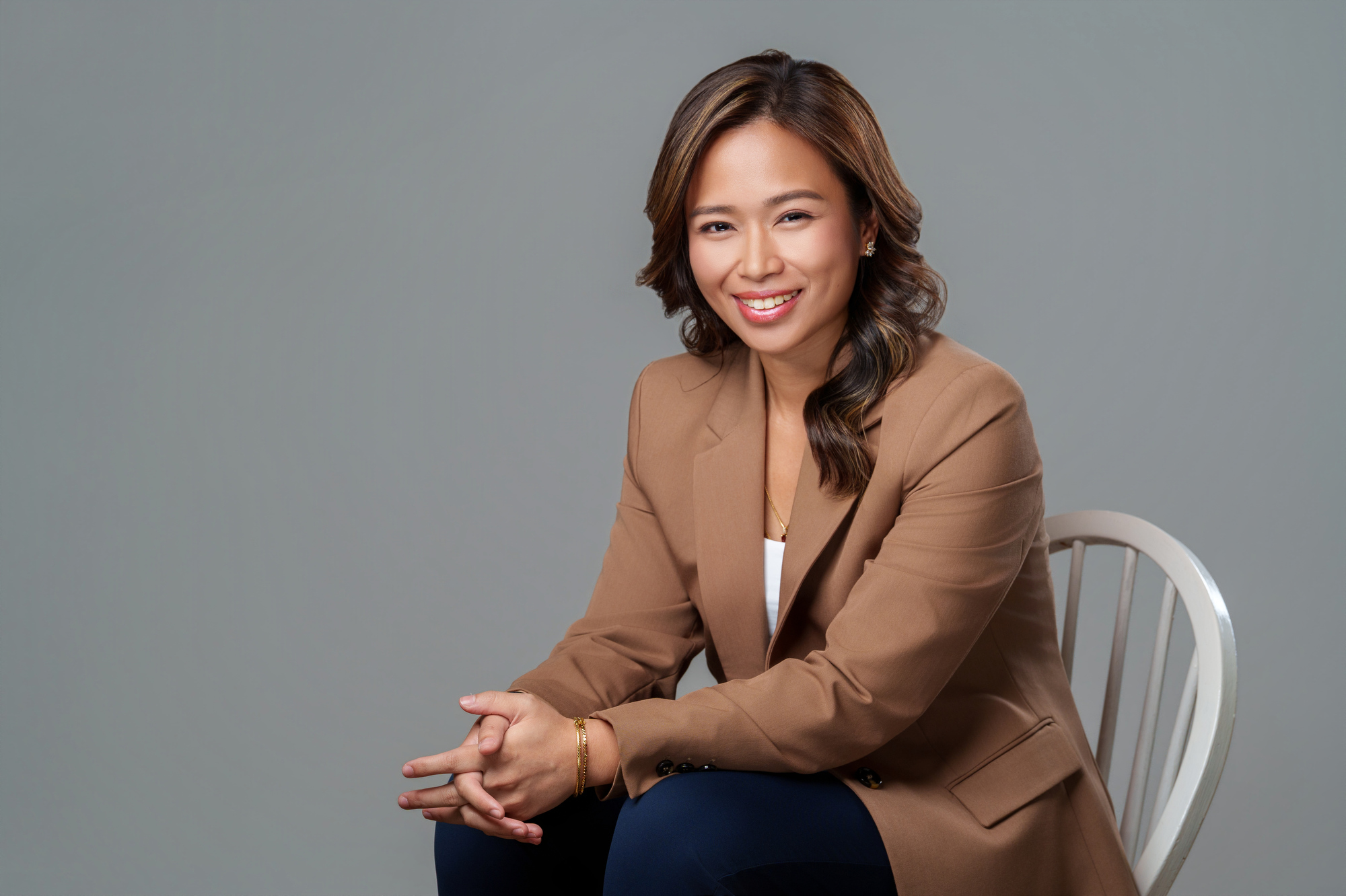
For profile photos, it’s best to have a close-up headshot with eye contact. For banners, use photos of you presenting at an event, engaging with colleagues, working at your desk, or simply smiling naturally in a setting that reflects your profession.
There’s no doubt that it makes them feel more relatable and helps form a connection with their followers.
The AI headshot debate
Artificial intelligence has also entered the world of professional photography.
AI-generated headshots have become an increasingly popular option as it’s “quick and affordable”.
All you need to do is upload a few photos, enter simple prompts, and receive a collection of portraits without ever stepping into a studio.
Yes, the results can be impressive, but AI-generated images struggle to capture an important quality: authenticity.
Professional relationships are built on trust. AI-generated headshots can appear over-polished, unrealistic, or different from how the person actually looks.
In almost every industry, credibility matters, and if clients realise your headshots are AI-generated, credibility may be lost. It’s advised not to rely on AI as a solution; instead, hire a professional photographer to bring your story to life.
So, what are the 2026 headshot trends?
The answer is simple: Authenticity. With a little professionalism.
Digital Photography School identified three reasons for the shift towards authenticity. First, people look less fake.
“It’s all part of the trend towards natural – towards real – towards authenticity. Plastic over-smoothed skin and unattainable Barbie-like physiques are going out of style. Real photographs of real people start to be embraced,” Rebecca Lily, the author of the article, writes.
Second, colours look more natural. Authenticity also means “softer, more natural colours and delicate highlights and shadows — much more like what we actually see with our eyes.”
Third, the subject matter is to look more organic. Traditional corporate headshots are made to showcase “perfection”. However, in recent years, “perfect” has become unnecessary. People want to see things that are relatable; hence, authenticity.
But, don’t get us wrong. People still want to look professional — they just don’t want to look overly corporate, especially in suits with neckties pushed all the way up their necks.
The goal, really, is to look confident, approachable, and genuine.
Here are three main headshot trends we have noticed:
1. Moving away from formal poses
There’s a formula for traditional corporate headshots: Stand straight, face the camera, tilt your head a little to the right, and smile.
Today, things are a little different.
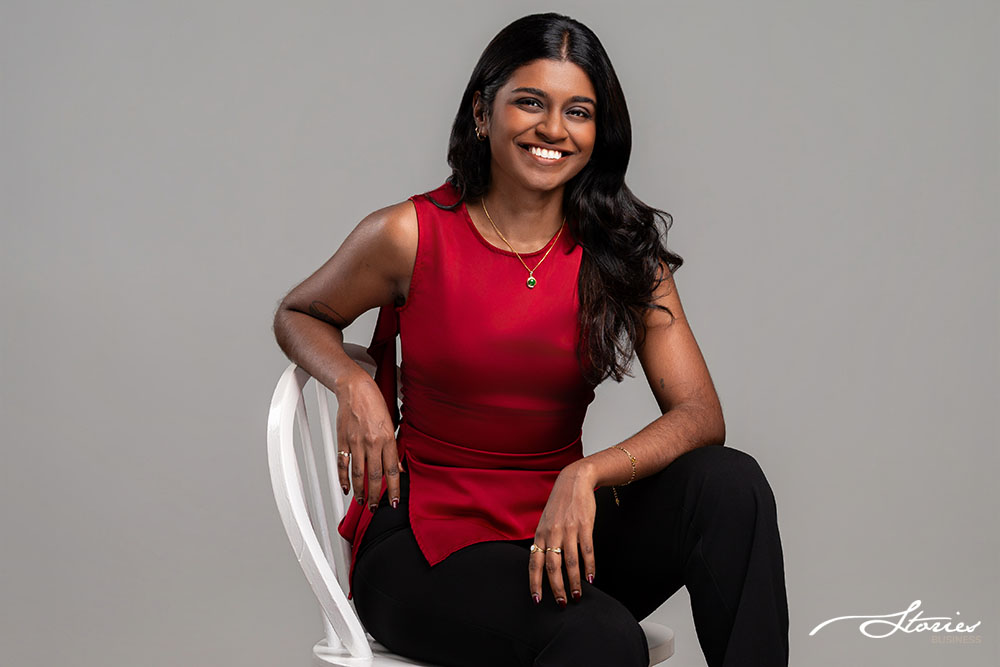
People want to work with people they trust. A relaxed pose and genuine expression often build a stronger connection than a “forced” smile — hence, this headshot trend of moving away from formality.
This doesn’t mean professionalism disappears. It means that the professionalism just looks a little more human.
2. Natural backgrounds are taking over
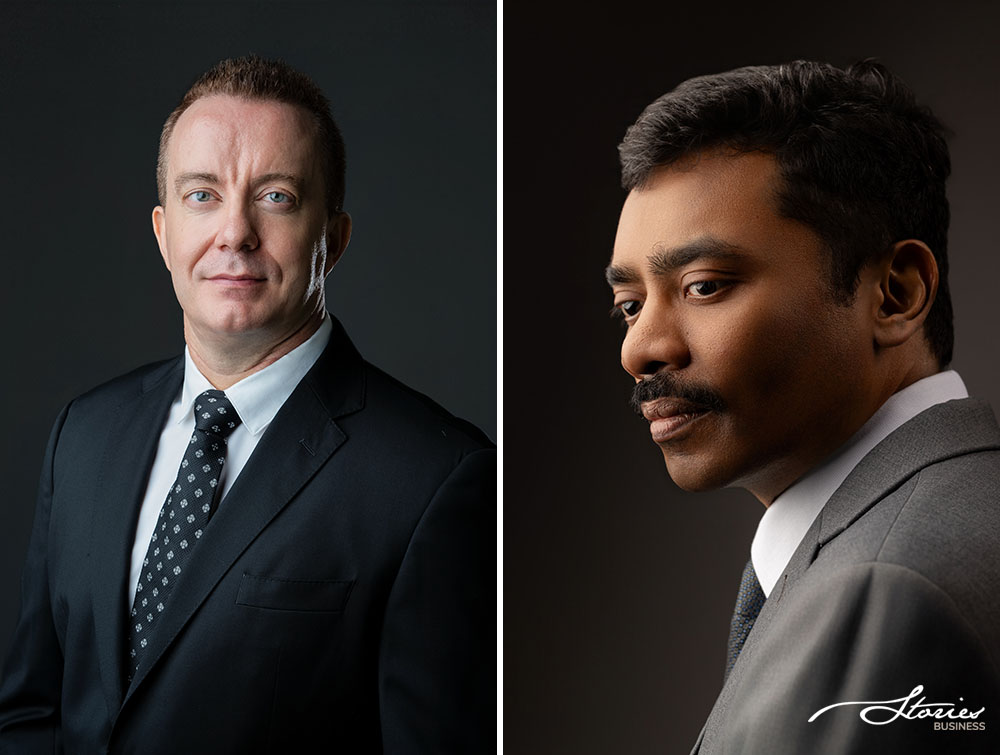
Traditional studio backgrounds, particularly white and black backdrops, will always have a place in corporate photography. It’s clean, professional, and timeless.
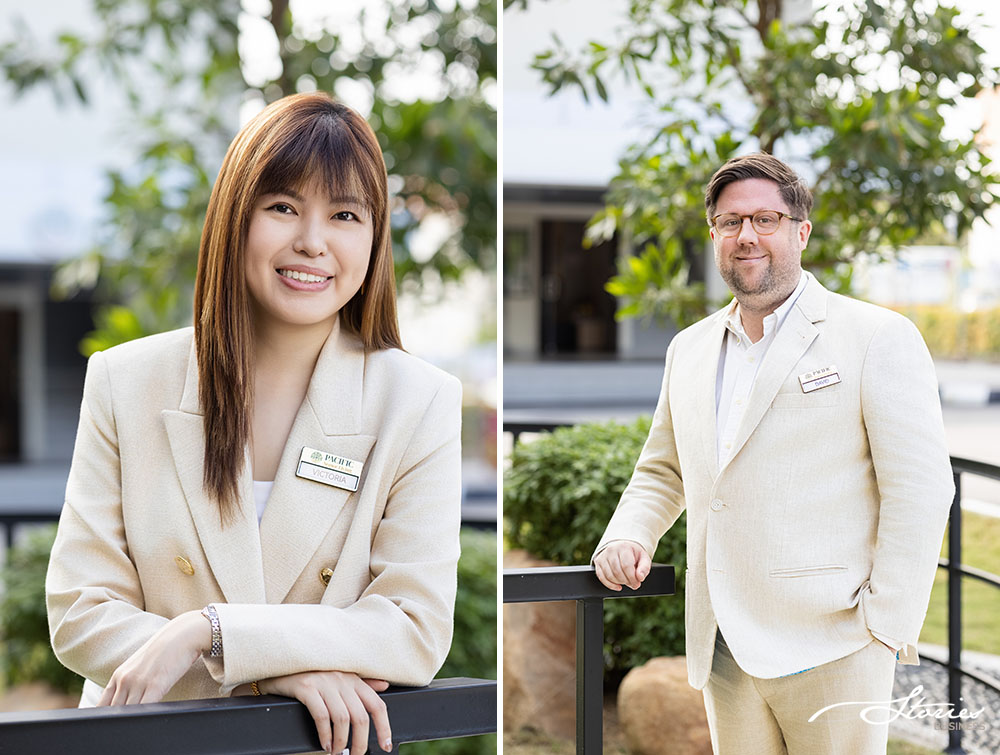
But in recent years, businesses have been moving towards natural settings, such as offices, collaborative workspaces, and outdoor greenery.
At Stories Business, we often describe these as environmental, casual, and approachable portraits.
The purpose isn’t simply to have a more interesting background, but to create an image that feels warm, inviting, authentic, and representative of the person behind the role.
There’s no doubt that a well-chosen environment can communicate far more than a plain backdrop. It gives clients or viewers insight into where you work.
Of course, the background should never become the focus, but do keep in mind that it can tell your story.
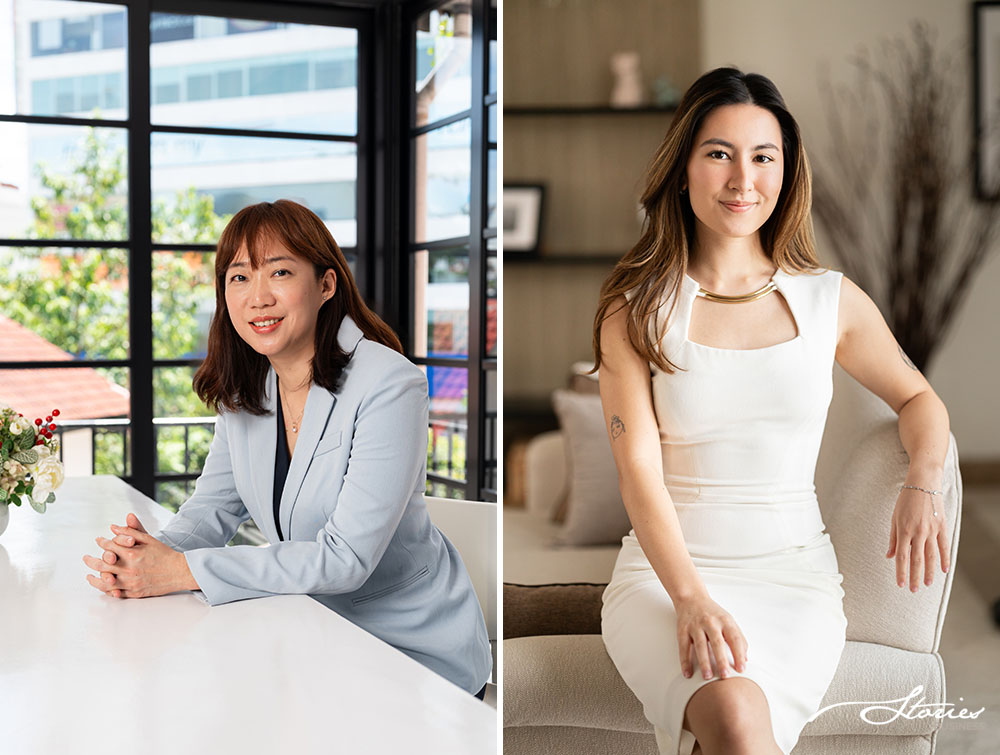
3. Consistency matters more than ever
Now, going back to LinkedIn profiles. Have you ever come across profiles with similar-looking headshots and realised they’re from the same company?
That’s consistency — another modern corporate headshot trend of 2026.
More businesses are recognising the value of having a consistent visual identity across their team. It’s important because it helps potential and current clients to recognise who belongs to the organisation.
Plus point, a cohesive set of headshots can also make a company appear more established, organised, and professional.
That said, consistency doesn’t mean every photo should look exactly the same. A unified look can also be created through wardrobe choices, colour palettes, and background styles.
At the end of the day, modern corporate headshots aren’t all about looking perfect — it’s about looking real.
The best headshots don’t just show what someone looks like, but shape the way professionals present themselves online. They give people a sense of who they are before the first conversation even begins.
Drop us a message to chat on how we can assist you with your personal brand!